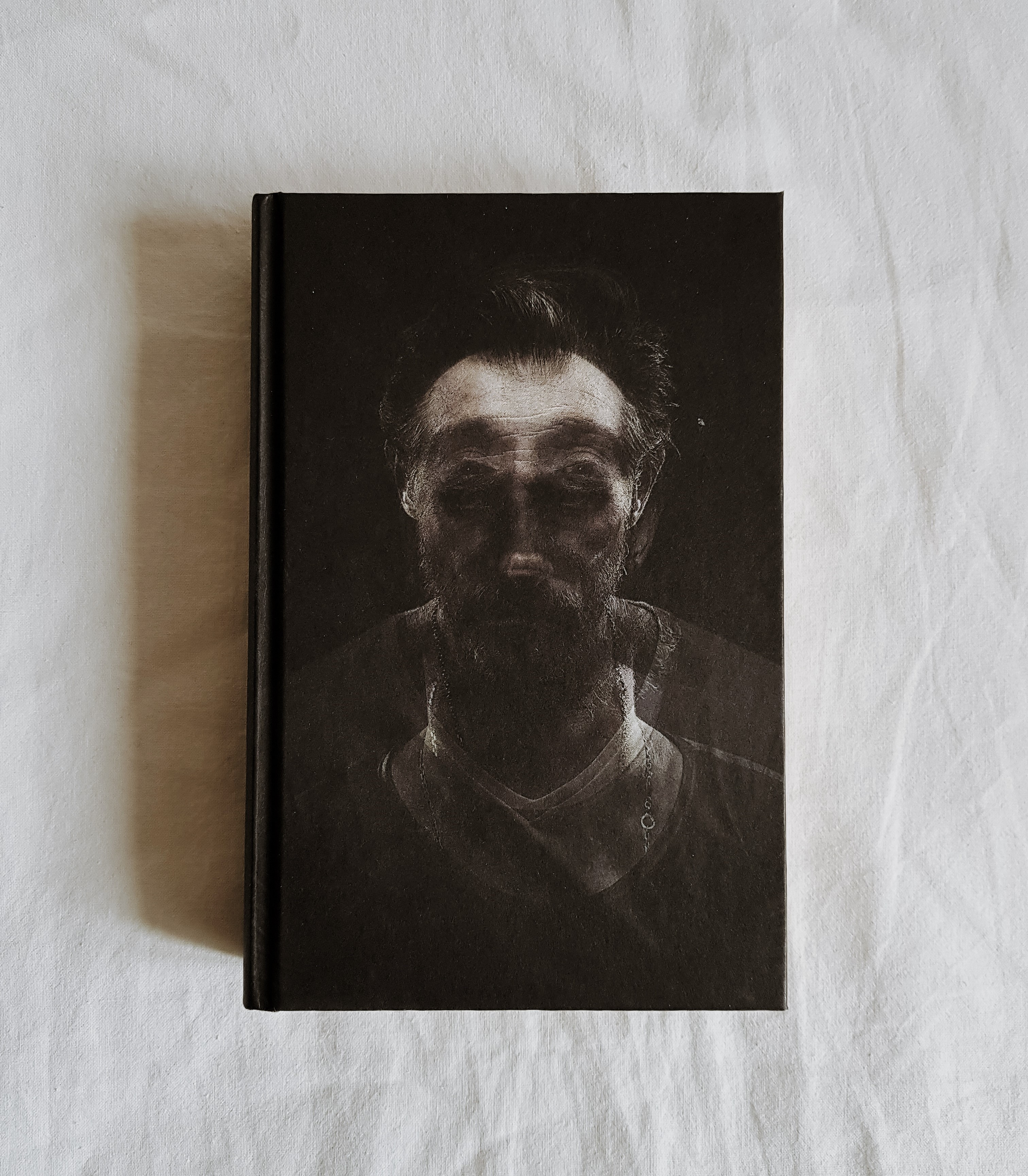
Vlak Sunset Limited - Cormac McCarthy

Monday, October 10, 2022

(28/05/22)

Hlboko v noci som prečítala prvú polovicu tejto knihy. Oči som mala unavené, myseľ tiež a v tichu tmy som skočil do dialógu dvoch cudzincov. Cudzincov pre mňa aj pre seba navzájom. Chodila som okolo nich, chvíľu počúvala, zvykala som si na nich a ich spôsob rozprávania. Ale to bolo všetko, viac som o tom nepremýšľala. Existuje veľa kníh a filmov a predstavení, ktoré zahŕňajú filozofovanie o zmysle života, viere, svete, spoločnosti a ľudskej prirodzenosti. Nečakala som nič nové, prinajlepšom som chcela len pár dobrých citátov, ktoré vo mne chvíľu zostanú a ktoré môžem v sebe nosiť počas najbližších dní.

Ale na druhý deň, keď som sa zobudila, prvýkrát počas môjho „obdobia slobody“, kedy som nemusela ísť do práce, som vstala hneď po otvorení očí, žiadne lenivé zdržiavanie sa v posteli. Bola hodina pred obedom, sedela som sama v kuchyni, oči som mal stále dotknuté spánkom a znova som otvorila knihu. Tentoraz som nešla len okolo nich a nestála som v kútoch. Keď som si sadla do kuchyne, sadla som si tiež k nim za ich kuchynský stôl, cítila som, že som im trochu bližšie a viac na nich zvyknutá. Čoraz viac zvedavá na ich osoby a hlavne na to, ako tento dialóg skončí. Nebol to totiž hocijaký dialóg. Závisel na ňom život.

Ticho, ospalosť, občasné zvuky dlho prebudeného života vonku a neustále tikanie hodín, ich takmer nevedomá pripomienka, že život mizne rýchlejšie, ako si uvedomujeme. V tej poludňajšej atmosfére ma kniha pohltila oveľa viac ako v hĺbke predošlej noci.

Ako som tušila, ani jeden z nich mi nepovedal nič nové. Všetky myšlienky “Bieleho” – nihilistického profesora – aj presvedčenia boli tiež moje, len občas lepšie formulované. Pohľad “Čierneho” – bývalého kriminálnika, ktorý zmenil svoj život od základov k lepšiemu – bol zároveň ten, o ktorý sa stále snažím viac. Okrem viery v Boha. V oboch som videla časť seba, oveľa viac v Bielom, a niekedy to možno nebolo bezpečné, nechať ho na mňa hádzať všetky tie myšlienky tak presvedčivo, keď s nimi sama stále bojujem. Ale zároveň, keď prišiel koniec – a ja som bola šťastná, že tentoraz sa nekonal žiaden zázrak –, dalo mi to zvláštnu nádej, akokoľvek ironicky to znie. Pretože som si uvedomila, že bez ohľadu na to, aká ťažká je táto bitka, a dokonca aj so všetkými týmito myšlienkami v mojej hlave, stále nechcem stihnúť vlak Sunset Limited. Aspoň nie naozaj a nie teraz.

A možno nepovedali nič nové, ale pri sledovaní výmeny názorov medzi týmito dvoma mužmi som jasnejšie videla, kde sú moje vlastné názory. Uvedomil som si, že väčšinu času som niekde uprostred nich, rovnako ako pri tom stole, kde som s nimi sedela. Stále o niečo bližšie k priepasti ako nie, ale aspoň nie tak definitívne. A že možno... to je v poriadku. Možno práve tam je to nakoniec najbezpečnejšie. Vidieť všetku tú škaredosť, krutosť, nezmyselnosť, všetky tie príšery, ktoré sa ukrývajú v ľuďoch, a stále... vedieť žiť, vychutnávať si svoj čaj, chcieť čítať ďalšiu knihu, vidieť inú krajinu, niekomu pomôcť, ak keď to neurobí rozdiel. Lebo no a čo ak neurobí. No a čo ak je to všetko bezvýznamné. (Optimistický nihilizmus víťazí.)

A čaká ešte toľko práce, aby som sa aspoň udržal na tejto ceste a nespadla každý druhý deň na úplne dno. Ale je to pohľad, ktorý som si vybrala a opäť vďaka nim vidím jasnejšie.

Takže nie, nič nové som nedostala. Žiadne prevratné myšlienky, nič, čo by ma prinútilo zmeniť uhol pohľadu. Ale... otestovala som si svoje vlastné názory, svoje vlastné nádeje a zistila som, kde na tejto platforme života stojím. A dostala som jeden zaujímavý dialóg, viac ako pár citátov, ktoré som si odniesla na niekoľko nasledujúcich dní a pocit, ktorý mi zostal, aj keď bola kniha zatvorená.

A myslím, že to stačí.


Read More

Review: Thomas Quick: The Making of a Serial Killer - Hannes Råstam

Friday, September 30, 2022

(25/05/22)

There was a time when I was immersed in dark things - movies, books, facts. The darker it was, the more fascinated I became. Murders, blood, dark corners of the human mind. Then came the period when fascination turned into revulsion. I saw only the bad in everyone, everyone had that monster inside. I started to avoid things that I used to enjoy consuming until then. I didn't want to have constant reminders in front of me about what we are like and what we are capable of, there was already enough in the world around us, why dive into it even more.

And yet, when I passed by a book called "Thomas Quick: The Making of a Serial Killer" several times in the bookstore, it was this old fascination it touched, that, despite everything, never completely left. I approached that book again and again, grabbed it again and put it down again, thinking that in a time of war, the atrocities of which weighed heavily on me, I didn't want to add to them with more murders. Nevertheless, the interesting cover and the unconventional plot - where the murderer was not the murderer this time - finally made me put it on the counter and take it home.


More than a story of a serial killer, however, it is ultimately the story of Sweden's biggest judicial scandal – or how it was discovered that Sweden's biggest serial killer didn't kill anyone. This fact is known since the beginning, so there are no surprises if we exclude those about the behavior of the investigators, the prosecutor and the nurses. The whole book describes the process of how it came to such a thing in the first place and what was behind it. It's more voluminous and detailed, but if someone is interested (I volunteer) in investigative journalism, murder, law and psychology, it's an interesting read. And quite bizarre from the point of view that something like this could happen - especially in such a developed country. It would surprise me less in my own.


The downside of this book, despite the interesting subject matter and the investigative work well done, is the repetitiveness of some of the information, which is distracting. There are many cases and details, and there is no clear timeline. Therefore, not only does no one want to re-read what they read a while ago, but this repetition can easily confuse the reader and make the book more messy. There were also passages that I couldn't stop reading and there were passages that were a little less captivating. Although my attention was never completely lost, I can imagine that many people in these parts of the book and for these reasons may become disinterested, and that's a shame. I know that Hannes died during the writing of this book and maybe that had an impact, but I don't know how deep, as I don't know what he managed to process from it himself.


Anyway, it was a very interesting read and I admire a job well done by the journalist. Because if the detail-obsessed perfectionist hadn't poked his nose into this case, Thomas Quick would have still been Sweden's biggest killer. But the book is also fascinating for many other topics than just its fictional serial killer. When I finally put the book in my backpack, I did so because it seemed safe in this case. This person wasn't a murderer after all, so it won't be a difficult read in that regard, will it? But I was wrong. Apart from the fact that the murders he confessed to are still described, there were other things, perhaps even more disturbing in the end, than reading about a serial killer.


Such as the fact that the real killers continued to walk free while their crimes were readily attributed to an innocent person in this case. How often you can't trust systems and people who keep a protective hand over us. How unreliable some medical treatment and practices have been (and perhaps still are) and how psychologists and psychiatrists are also just people with their own motivations and mistakes, their own – perhaps sometimes unorthodox – fascinations and biases. How the media manipulates us, how we are fed pieces of information bordering with lies, from which we form our life beliefs. What one's own mind can force a person to do, just to make others find him interesting, to finally be noticed by someone, to not be so alone, and how in the end each of us really just wants not to be forgotten and does everything to prevent that from happening.


So much so that sometimes he turns himself into the biggest serial killer of his country.


Read More

Prípad Thomasa Quicka: Ako sa rodí sériový vrah - Hannes Råstam

(25/05/22)

Bolo obdobie, kedy som bola ponorená v temných veciach – filmoch, knihách, faktoch. Čím horšie to bolo, tým viac ma to fascinovalo. Vraždy, krv, temné zákutia ľudskej mysle. Potom prišlo obdobie, kedy sa fascinácia zmenila na odpor. V každom som videla to zlé, každý v sebe mal to monštrum. Začala som sa vyhýbať veciam, ktoré som dovtedy konzumovala jedna radosť. Nechcela som mať pred sebou neustále pripomienky o tom akí sme a čoho sme schopní, už toho začalo byť dosť vo svete okolo, prečo sa do toho ponárať ešte viac.


A napriek tomu, keď som niekoľkokrát v kníhkupectve prechádzala okolo knihy s názvom “Prípad Thomasa Quicka – Ako sa rodí sériový vrah”, brnkalo to práve na túto dávnu fascináciu, ktorá napriek všetkému nikdy úplne neodišla. Vždy som k tej knihe znovu a znovu pristúpila, znovu ju chytila a znovu ju aj odložila s tým, že v období vojny, ktorej zverstvá na mňa doliehajú, si k nim nechcem pridávať ďalšími vraždami. Napriek tomu, zaujímavá obálka a netradičná zápletka – kedy vrah tentoraz vrahom nebol – ma nakoniec prinútila položiť ju na kúpny pult a odniesť domov. 


Viac ako príbeh sériového vraha je to ale nakoniec príbeh najväčšieho švédskeho justičného omylu – alebo toho, ako sa zistilo, že najväčší švédsky sériový vrah nikoho nezabil. Tento fakt je známy už od začiatku, takže žiadne prekvapenia sa nekonajú, ak odrátame tie nad správaním vyšetrovateľov, prokurátora a ošetrovateľov. Celá kniha opisuje proces toho, ako to k niečomu takému vôbec dospelo a čo za tým bolo. Je to objemnejšie a podrobnejšie, ale ak niekoho zaujíma (hlásim sa) investigatívna žurnalistika, vraždy, právo a psychológia, tak zaujímavé čítanie. A dosť bizarné z toho pohľadu, že niečo také mohlo prejsť – ešte v tak vyspelej krajine. U nás by ma to prekvapilo menej.


Nevýhodou tejto knihy, napriek zaujímavej téme a dobre odvedenej práci v investigatíve, je repetitívnosť niektorých informácií, ktorá je rušivá. Prípadov je veľa, podrobností tiež a úplne jasnú časovú linku to nemá. Preto nielen, že nikto nechce čítať znovu to, čo čítal pred chvíľou, ale toto opakovanie čitateľa môže ľahko zmiasť a robí to knihu neprehľadnejšou. Boli tiež pasáže, ktoré som nevedela prestať čítať a boli pasáže, ktoré boli o niečo hluchšie. Napriek tomu, že moja pozornosť nikdy úplne neopadla, viem si predstaviť, že veľa ľuďom v týchto častiach a z týchto dôvodov môže povoliť až do nezáujmu a je to škoda. Viem, že Hannes zomrel počas písania knihy a možno aj to zaváži, ale nakoľko neviem, keďže neviem, čo z toho spracovať stihol on sám. 


Tak či tak, bolo to veľmi zaujímavé čítanie a obdivujem dobre odvedenú prácu novinára. Pretože ak by ten perfekcionista posadnutý detailami do tohto prípadu nestrčil nos, doteraz by bol Thomas Quick najväčším vrahom Švédska. Kniha je ale fascinujúca aj pre veľa iných tém, než len jej vymysleného sériového vraha. Keď som totiž knihu nakoniec predsa len vkladala do svojho batohu, robila som tak aj preto, že mi to v tomto prípade prišlo bezpečné. Tento človek predsa vrahom nebol, tak to nebude v tomto ohľade ťažké čítanie, nie? Mýlila som sa však. Odhliadnuc od toho, že vraždy, ku ktorým sa priznal, sú stále opísané, boli tam iné veci, nakoniec snáď ešte znepokojivejšie, než čítanie o sériovom vrahovi. 


Ako napríklad to, že tí skutoční vrahovia ďalej behali po slobode, kým ich zločiny boli ochotne pripísané v tomto ohľade nevinnému človeku. To, ako sa často nedá veriť systémom a ľuďom, čo nad nami držia ochrannú ruku. To, aké nespoľahlivé boli (a možno stále sú) niektoré liečebné praktiky a ako aj psychológovia a psychiatri sú len ľudia s vlastnými motiváciami a omylmi, vlastnými – možno občas netradičnými – fascináciami a zaujatosťami. To, ako nami manipulujú médiá, ako sú nám podsúvané kúskové informácie hraničiace s klamstvom, z ktorých si my tvoríme životné presvedčenia. To, k čomu dokáže človeka prinútiť vlastná myseľ, len aby iným prišiel zaujímavý, aby si ho konečne niekto všimol, aby nebol tak sám, a ako nakoniec naozaj každý z nás chce len nebyť zabudnutý a robí všetko pre to, aby sa to nestalo.  


Až tak, že občas zo seba pritom spraví najväčšieho sériového vraha svojej krajiny.


Read More

Review: Sandman - Neil Gaiman

(15/09/22)

Mám s pánom Sandmanom komplikovaný vzťah. Odkedy som bola dieťa, zdalo sa, že ma nemá veľmi rád. Často som nemohla spať, a keď sa tak konečne stalo, prišli s ním všetky možné škaredé nočné mory a paralýzy. Možno kvôli tým hrôzostrašným nociam som potom aj celé dni trávila snívaním, aby som si to vynahradila – snívala som ale oveľa krajšie, ponorená vo svojich vytvorených svetoch alebo v predstavách o veciac, o ktorých som snívala. Kvôli tomu som väčšinu svojho života strávila v snoch. Tie temné počas nocí ma naučili, aké môžu byť skutočné, koľko môžu znamenať. Moje denné sny mi ukázali, aké sú dôležité, aká veľká časť mojej budúcnosti pochádza z nich. 

Keď som prvýkrát videla netflixového Sandmana, bolo to ako návrat domov. Komiksy som chcela prečítať už desaťročie, ale nikdy som sa k nim nedostala. Seriál mi konečne dovolil nahliadnuť do toho sveta, nenápadne ma opantal, až som si želala, aby to nikdy neskončilo. Ako keď sa nechcete zobudiť z pekného sna.

Nakoniec ma to motivovalo aj k čítaniu komiksov, aby som mohol dostať viac z toho sveta, príbehov a postáv. Toto bol môj prvý grafický román a stále si zvykám na iný formát čítania, čo má aj svoje nevýhody. Napríklad, keďže príbehy plynú rýchlejšie, zisťujem, že sa ma niečo menej dotýka alebo mi na niekom menej záleží,  lebo nie je dosť času na to, aby vzniklo osobnejšie prepojenie. Tiež poznám ten pocit, že najprv niečo uvidím a potom si to prečítam, ale keď ste niečo najprv videli a potom to vidíte znovu v inej podobe, tak aj na to si treba zvyknúť. Ale aj keď som už väčšinu prvej knihy videla, v tejto verzii som si ju tiež veľmi užíval, ponárala sa do čítania a často som sa nevedela dočkať pokračovania. Milujem tú temnú tému a postavy, milujem celú tú myšlienku a príbehy, ktoré z nej vychádzajú, milujem tú atmosféru a mytológiu. Dokonca som si (ako menšina) užívala aj tú starú kresbu a jej štýl. Teším sa, keď si prečítam ďalšie a som veľmi zvedavá, aký budem mať pocit pri nezmých príbehoch. Svoj prvý komiksový zážitok by som teda označila za úspešný a dúfam, že sa čoskoro uvidíme znovu, Morpheus.

Aký je váš obľúbený alebo najmenej obľúbený sen, ktorý sa vám sníval?


Read More

Sandman - Neil Gaiman

(15/09/22)

I have a complicated relationship with Mr. Sandman. Since I was a child, it seemed like he didn't like me very much. Often, no sleep came and when it finally did, all kinds of ugly nightmares and paralyses came with it. Maybe because of those terrifying nights, I spent whole days dreaming as well to compensate for it – a lot more nicely, absorbed in my own created worlds or imagining things I dreamed of. Because of this, I spent most of my life in dreams. Those dark night ones taught me how real they can be, how much they can mean. My daydreams showed me how important they are, how much of my future comes from them. I spent a lot of time with them all.

When I first saw Sandman from Netflix, it felt like coming home. I had the comics on my reading list for a decade, never getting to it. The show finally let me get a glimpse, slowly enchanting me, making me wish it never ended, like when you don't want to wake up from a nice dream.

And finally motivated me to pick up the comics as well, so I can get more of that world and stories and characters. This was my first graphic novel and I'm still just getting used to the different reading format and it has some downsides. For example, as the stories flow faster, I find myself less touched by something or caring about someone, not having enough time to get more personally involved. Also, I'm familiar with the feeling of seeing something first and then reading it, but when you've seen something first and then you also see it in a different form, that's something to get used to as well. But even though I saw most of the first book already, I was enjoying it in this version very much and I still got immersed in reading and often couldn't wait to continue. I love the dark theme and the characters, I love the whole idea and stories that come from it, I love the atmosphere and the mythology. I was even (as a minority) enjoying the old art style and sketchy drawing. And I can't wait to read more, very curious how it will feel with the unknown stories. Because of that, I would call my first comic experience a success and I hope to see you soon, Morpheus. 

What is your favourite or least favourite dream you had?


Read More

Grécke Atény 3/4: Pláže a ostrovy – Glyfada, Aegina a neobývaný raj Moni

Wednesday, September 28, 2022

Počas víkendu sme sa vybrali preskúmať okrajové pláže Atén a blízke ostrovy. A našli sme poklad.


Read More

Review: Good Omens – Terry Pratchett and Neil Gaiman

Thursday, September 22, 2022

(25/04/22)

Gaiman and Pratchett. Two legendary names that have been unread on my to-read list for ridiculously long, considering how much I wanted to get to know them. And as I was getting really frustrated with myself, I finally decided to move my ass by killing two birds (in my language it's flies, this seems drastic), with one stone and reach for Good Omens. 


And it was a great reach, don't take me wrong. But I still hope that now, when I will start getting to know them separately, it will only get better. Because – for a change I will start with the slight negatives, so the fanbase can kill me first and become friends later – it was a bit messy, and although the mess was part of the charm for most of it, there were moments when it wasn't that much so. 


I didn't particularly enjoy the kids and their parts, even though to say I disliked them would be too much. Same with the witch and witch hunter. I didn't create a deep bond with any character – i absolutely  loved Aziraphale and Crowley, yes, but in a more of a “what-an-interesting-and-fun-character” then “i-would-die-if-something-happened-to-them” – and sometimes the fun was getting a little out of hand and maybe even went a little over my head. But look… does that even matter really? I don't know. A bit, but not much in this case, so I will take one star from it because there was a little piece of it that just didn't click with me during this first read as much as I would like it to, but that's fine. We're fine. 


I still loved the book. And what I loved most about it was all that clever satire, presented especially during the angel-demon dialogues. I would underline the hell out of this book if it was mine (I had it borrowed from my bf and he is very, very careful with his books, so if I did, the things Hell would do to Crowley would be nothing in comparison). Some quotes will be forever stuck in my head and few of them I actually did manage to write down, when I overcome my laziness. Some were deep, some were both funny and deep and some were just so cleverly funny that it was actually ridiculous how someone can think of this. And most of it – at least it feels that way – happened during Aziraphale's and Crowley's parts. If ever there was just a book about those two and their past adventures on Earth, I would read the hell out of it (no pun intended). 


Other parts that struck my interest were those with the four riders of the apocalypse. I loved the switch from Pestilence to Pollution, I loved how they looked, how they talked (Death was great) and I loved all that cleverly-funny-but-also-deep stuff around them. 


What I can say about the humour is that it was the most british thing that you will meet this year, if you decide to pick this book. That can be great for some, less for others. For me personally it's the first choice. I usually don't laugh out loud, I don't know why, it's just that a little inside chuckle is enough for me for the most part, but a few times I did here and even more times I was just pleasantly amused for a long time, often just from one sentence, and that honestly was somehow a bigger achievement for me. 


Especially because underneath all that chaos, burning Bentleys, clever jokes, quirky things, apocalypse and aliens, demons and tibetans, raining fish and satanic nuns, there was some beautiful philosophy, accurate take on dual-nature of humanity and things worth thinking about, when you stopped smirking like an idiot. But you can also think about them while smirking like an idiot, I won't stop you. 


In the end, maybe that's the point – not only of this book, but also life in general. To not take things, us or, you know, the apocalypse, so seriously. 


Read More